
Certificate
group
1 enrolled
Certified Disaster Humanitarian Logistics Specialist
menu_book
1 lesson
schedule
Self-paced
language
English
verified
Certificate
emoji_objects What You'll Learn
check_circle
Core principles and frameworks of the field
check_circle
Practical skills applicable in real work environments
check_circle
Industry best practices and global standards
check_circle
How to analyse and solve supply chain challenges
check_circle
Career pathways and professional development strategies
check_circle
Tools and technologies used by leading practitioners
About This Course
Imagine the logistics involved in planning an event like the Olympics. Now imagine planning the same event but not knowing when or where it will take place, how many spectators will attend or how many athletes will compete. The near impossibility of this task gives some insight into what humanitarian logisticians are up against. What’s more, logistical shortcomings and oversights in the humanitarian context may result in serious consequences for the victims of disasters and could literally mean the difference between life and death. So, they must get it right, and fast.
Emergencies test the reactivity and capacity of humanitarian agencies, and often overwhelm them in the first few days. This may be pro bono or at cost, helping to keep the overall expense of the operation down and enhancing speed in the first few days of a response. This is where this book comes in…
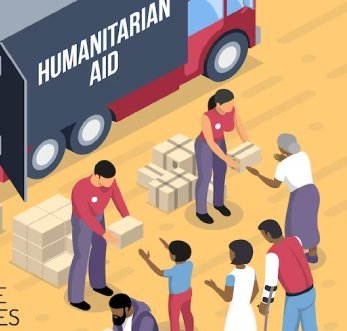
This Humanitarian Logistics Course focuses on the importance of logistics in the provision of aid to disaster affected people as well as its place in the carrying out of other disaster management operations. It examines the design of logistics systems and the coordination required by the various agencies and actors involved in carrying out a logistics operation. This is a Logistics course designed for non-logisticians. However, experienced logisticians will benefit from the broader application of logistics to conflict and refugee situations, building a knowledge bridge for deployment to humanitarian crises. It is also for anyone involved or interested in the humanitarian field to gain an understanding of one of the critical areas in humanitarian work.
Course outcomes:
By the end of the course, participants will be able to:
- Identify the key principles and components of the humanitarian supply chain network.
- Understand the key factors to be considered in the establishment of logistics infrastructure.
- Specify procedures and requirements for the effective and accountable operation of logistics services and infrastructure, including primary and field warehouses.
- Plan an effective process for distribution of commodities to beneficiaries.
- Define the principles of fleet management and transport planning.
format_list_bulleted Course Curriculum
1 lessonreviews Ratings & Reviews
Sign in as an enrolled student to leave a review.
No reviews yet — be the first to share your experience.
₦50,000
Pay in full or in up to 3 installments · Lifetime access
menu_book
Lessons
1 lesson
schedule
Format
Self-paced
language
Language
English
verified
Certificate
Included on completion
group
Students
1 enrolled